
Hydrotherapy for Fibromyalgia
Do you or a loved one have fibromyalgia? Although there may be no cure as of now, there are things you can do to ease your pain and stress. Doctors believe fibromyalgia affects the central nervous system, causing widespread pain in the body. One of the best remedies for fibromyalgia is remaining physically active. If you’re like most patients, physical activity may seem impossible when you’re experiencing fatigue, discomfort, and extreme pain. Hydrotherapy can help relieve pain, simulate exercise, and improve your mood and energy levels. For years, people with stiff joints or sore muscles have been soaking in a hot bathtub to ease their discomfort. Warm water helps reduce inflammation and alleviate joint pain, making hydrotherapy an excellent solution for fibromyalgia patients.
What Is Hydrotherapy?
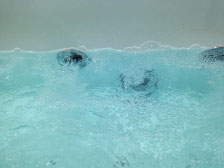 Hydrotherapy is the practice of using water to restore and maintain health. This treatment has dramatically evolved over the years but is still commonly used across the world to treat different conditions. Known by many names, hydrotherapy has been used for thousands of years as a form of natural medicine. Hot baths, spas, hot springs, and bathhouses are all common health practices in India, China, Egypt, and other countries.
Over the years, hydrotherapy has been known by other names:
- Balneotherapy
- Water therapy
- Aquatic therapy
- Pool therapy
Today, many people use jetted bathtubs, freestanding soaker tubs, whirlpool tubs, hot tubs and heated oxygen bathtubs to alleviate pain.
Whirlpool jetted tubs offer three main hydrotherapy benefits for pain-relief:
- Heat: Warm water penetrates tissues and dilates blood vessels, increasing circulation. Treatments may vary in temperature, but heat provides soothing relief to sore muscles, joints and more.
- Massage: Water jets provide a gentle massage to tense muscles and tissues, helping them to relax and alleviate pain. Whirlpool jets can target specific areas, including the back, neck, hips and feet.
- Buoyancy: In a whirlpool jetted tub, you’ll feel a sense of weightlessness. Buoyancy helps to decompress strained muscles and joints, relieving pain and soreness.
Many alternative practitioners, naturopaths and physical therapists offer hydrotherapy in their clinics. Additionally, many spas offer whirlpool treatments, as well. If you’re a homebody or don’t live near one of these clinics, you can reap the benefits of hydrotherapy right from your own bathtub.
Though the exact cause of fibromyalgia is unknown, you can still effectively manage symptoms—particularly with hydrotherapy. As a natural treatment, hydrotherapy is a holistic option for those experiencing chronic pain and arthritic conditions. While there can be benefits to both warm and cold therapies, patients with fibromyalgia may benefit most from hydrotherapy using therapeutic bath options like heated oxygen baths or warm hydromassage tubs.
What Is Fibromyalgia?
 Fibromyalgia is a chronic disorder affecting over four million U.S. adults. It causes widespread musculoskeletal pain and tenderness, typically in the back of the head, shoulders, chest, hips and knees. Studies have shown that fibromyalgia is more common in women than in men. Researchers believe fibromyalgia affects the way your brain processes pain signals. If you’re diagnosed with fibromyalgia, you may experience amplified pain that others may not be as sensitive to.
The pain experienced with fibromyalgia often begins after a physical trauma such as a car accident, auto-immune illness, or repetitive injury. Alternatively, some people experience symptoms gradually without a specific triggering event. You can develop fibromyalgia at any age, but most people are diagnosed between 35-45 years. If you have rheumatoid arthritis, spinal arthritis, or lupus, you may have an increased risk of developing fibromyalgia. Additionally, genetics, obesity, and lifestyle are also risk factors for developing the condition. While there’s currently no cure for fibromyalgia, there are a variety of treatments available that can help manage your symptoms. From medications to exercise to hydrotherapy, you have options to improve your quality of life.
Fibromyalgia Symptoms
Fibromyalgia is characterized by constant dull aches and stiffness throughout the muscles and joints.
Some common fibromyalgia symptoms include:
- Long-lasting fatigue
- Memory troubles
- Headaches
- Anxiety and depression
- Irritable bowel syndrome
- Temporomandibular joint disorder (TMJ)
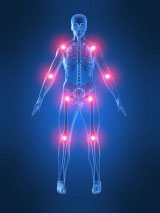 People with fibromyalgia often feel frustrated with how tired they are and the amount of pain they endure. Frequent headaches, anxiety and even sleep problems are also commonplace. Though regular exercising can help alleviate your symptoms, you might be in too much pain to exercise. Without a known cure, you might feel hopeless that you’ll ever get your life back, which is why depression and anxiety often co-occur. Despite the chronic nature of the condition, there are options to help you manage fibromyalgia symptoms.
Fibromyalgia Treatments
In addition to staying mobile, there are therapies that can help effectively treat and manage fibromyalgia. Treatments can and should be tailored specifically to your needs and the types of symptoms that are most prominent for you.
Your doctor may suggest drug therapies, such as prescription drugs or over-the-counter painkillers, in conjunction with lifestyle changes like improved diet and exercise. Many doctors recommend a combination of pharmaceutical and natural treatments for a holistic approach to healing fibromyalgia and managing symptoms.
Natural Fibromyalgia Therapies
Fibromyalgia symptoms can be managed through a variety of holistic and natural therapies such as sleep, exercise, diet, massage, and hydrotherapy. These complementary therapies address multiple aspects of healing, including your physical and emotional well-being.
Sleep
 If you have fibromyalgia, it’s important to improve your sleep quality. Being well-rested is crucial for managing the chronic fatigue that often accompanies the condition. Go to bed early, limit screen time before bed, avoid alcohol and coffee, and try to eat at least a few hours before going to sleep.
Additionally, the National Sleep Foundation recommends taking a warm bath a few hours before bed to enhance sleep quality.
Exercise
 When you’re in pain, the last thing you want to do is exercise. If you can manage, be persistent in getting through the first few difficult weeks. A 2015 neurological study found that a 15-week exercise program partially reversed a type of brain activity that affects people with fibromyalgia when resting.
Over time, exercise will help you build up muscle strength, decreasing pain and discomfort. Try low-impact exercises such as swimming, walking, or aquatic exercise.
Diet and Supplements
 Eating a balanced and healthy diet is imperative if you have fibromyalgia as it can help improve your mood and reduce stress. According to the National Center for Complementary and Integrative Health, scientists are studying the effects of certain supplements, such as Vitamin D and magnesium, on fibromyalgia. Evidence suggests deficiencies in these key nutrients may lead to increased symptoms.
Massage Therapy
Massage therapy, warm baths with hand massage, whirlpool tub with jets and hydrotherapy are among the most recommended treatments for fibromyalgia. Massages should be gentle and not cause pain. A 2014 study showed that 15 weeks of massage therapy led to a significant improvement in pain, anxiety and depression in people with fibromyalgia.
Hydrotherapy
 In a patient survey of the most effective natural treatments for fibromyalgia, hydrotherapy and hot baths ranked in the top 10 options. Hydrotherapy provides calming and healing effects for people with fibromyalgia. Warm water has a myriad of benefits for a sore body, and all you need is a bath or jet bathtub to experience some relief.
Heated therapeutic baths will:
- Help circulate the blood
- Reduce the force of gravity on sore joints
- Decrease swelling and inflammation
- Relax the muscles and mind
Benefits of Hydrotherapy for Chronic Pain and Inflammation
Since warm water is highly accessible for most people, it’s an inexpensive, easy and effective option to include in your treatment plan. Hydrotherapy bathtubs directly address some of the key symptoms of fibromyalgia, including the chronic pain and inflammation the condition is most known for.
1. Boost Circulation
A common effect of fibromyalgia is poor circulation, which causes numbness in the hands and feet. Water helps to moisten and support soft tissues. With the use of a back jets, leg jets and foot massage jets in a whirlpool, jetted tub or air tub, your muscles get a gentle massage, increasing local circulation and alleviating tension in your pain centers.
Additionally, a 2018 study found that a warm bath may be as beneficial as a gentle workout but with less effort.
If you have fibromyalgia, try sitting in a warm whirlpool tub or heated bath. This treatment is also excellent for people with rheumatoid arthritis and osteoarthritis because it increases systemic blood flow without exerting too much pressure on the joints.
2. Alleviate Joint Pressure
Warm bathtub hydrotherapy is beneficial for alleviating joint pressure. Water provides a gravity-free environment that encourages a greater range of motion for your joints, allowing your body muscles to be stretched out in the bath. As you become more immersed in a deep bath, lean back, relax and allow your body’s natural buoyancy to float. This reduces direct pressure on your joints, decreasing associated neck, back, hip and leg pain and allows freer movement.
Several studies have shown that people with arthritic conditions who completed hydrotherapy experienced significant improvement in joint tenderness compared to patients who did not participate in water therapy.
Fibromyalgia and arthritis patients have inflammation in their muscles, preventing bones from moving freely at the joint. Without treatment, the joints can become further agitated. Jetted tubs and air tubs used in hydrotherapy will help relax the muscles, stimulate circulation, reduce swelling and bring oxygen-rich blood to the joints, easing pain.
3. Relieve Chronic Pain
 Because hydrotherapy bathtubs can increase blood flow and relieve joint pressure, it can also alleviate the chronic pain these symptoms cause in people with fibromyalgia. Not only does heat help to relieve pain, but water also acts as a stabilizer during movement, allowing you to move muscles and joints without further injury or discomfort.
One study found that hydrotherapy reduced chronic pain and improved movement function in fibromyalgia patients as long as three months after starting therapy.
Because hydrotherapy simulates exercise, patients undergoing hydrotherapy showed a greater range of motion and reduced pain in the water. And many patients say performing exercises in water is more comfortable than on land.
4. Improve Immune System Function
You might be surprised to learn that hydrotherapy can also help improve your immune system. A heated hydrotherapy bathtub stimulates waste removal and detoxifies the body by providing fresh nutrients and oxygen to inflamed tissues. It also boosts the immune system by stimulating blood supply, including the circulation of the body’s white blood cells that protect the body against illness.
Because cold and flu-like symptoms often accompany fibromyalgia, hydrotherapy can help to ensure your body remains healthy enough to fend off infection.
Additionally, auto-immune disorders are considered to be one possible cause of fibromyalgia. With hydrotherapy, your body can help keep symptoms at bay by increasing the circulation of white blood cells to the affected areas, promoting healing and increasing respiration.
5. Reduce Swelling and Inflammation
Did you know that enhanced blood circulation and increased endorphins can reduce inflammation in muscles and joints? You may have heard of athletes using contrast heat therapies to reduce swelling and inflammation in their muscles.
Hydrotherapy can work similarly by accelerating the healing process of torn muscles and injuries by improving blood vessel integrity and muscle tone.
Anti-inflammatory drugs are often prescribed for fibromyalgia, but a more holistic, natural approach is to try hydrotherapy. This treatment is useful in tending to pain triggers that are often associated with accompanying side effects such as arthritis. Speak with your doctor to see if hydrotherapy bathtub would be an appropriate complementary or alternative therapy to prescription or over-the-counter drugs.
6. Promote Relaxation of Body and Mind
You may have heard that applying water to your skin can change your mood and help you relax. Cold water causes surface blood vessels to constrict, forcing blood to move from the surface to your core to conserve heat. When this happens, fresh blood is pumped to your brain and organs through nutrient-rich vessels.
Alternatively, warm or heated oxygenated water relaxes the blood vessels and brings them back to the surface and away from your core. Medical research suggests taking baths decreases the levels of stress hormones, such as cortisol and adrenaline, and increases the levels of happiness hormones like endorphins and serotonin.
Because anxiety and depression are common symptoms of fibromyalgia, frequent hydrotherapy baths can help patients can improve their mood and put their anxiety at ease.
With deeper relaxation, fibromyalgia patients may also experience better sleep quality thanks to soaking in hydrotherapy bathtubs. Similarly, relaxing in a heated bath can also help improve painful headaches by releasing tension in the neck and face. In fact, the Mayo Clinic recommends temperature therapy, including warm baths, to help alleviate migraines.
How to Use Hydrotherapy for Fibromyalgia
 Because warm water is easily available for most people, it’s an affordable and practical addition to your treatment plan. If you’re on a budget, fill up a warm bath or jetted tub at home. Keep the water warm, but not hot. Very hot water can stimulate your heart rate and exacerbate existing cardiac issues. Be sure your bath stays below 104 degrees.
The heat helps to loosen and calm the joints, making it more comfortable to move around and carefully work out the stiffness. Get in a bit of stretching and range of motion exercise while in the bath. If possible, practice progressive muscle relaxation, gentle massage or even sitting yoga poses in the warm water.
The water combined with hydrotherapy jets can do most of the work, but you can help it along with some Epsom salts. Low magnesium levels bring symptoms like fatigue and muscle spasms, which can blend with your broader fibromyalgia pain. Epsom salts (or magnesium sulfate crystals) can help top up your magnesium levels and calm the discomfort.
The positive effects seem to linger, too—most people find that circulation, soreness and swelling will continue to respond to heat therapy after you get out of the tub. Spend 20 minutes in the bath for the most benefit, followed by some stretching right after you dry off, while your body is still warm.
If you don’t have a soaker tub at home, try heading to a spa. Most spas or hotels offer hydrotherapy or have a jetted hot tub. Another option is to purchase a specialized hydrotherapy tub for your home. There are a variety of attractive freestanding heated soaker tubs or tubs with air jets that will circulate warm water to increase circulation and soothe sore muscles and joints.
Whatever solution you prefer, you should incorporate soaking in a warm bath into your daily routine. Hydrotherapy is most effective when used as a long-term solution.
Risks and Precautions of Hydrotherapy for Fibromyalgia
While hydrotherapy is a great solution to manage symptoms of fibromyalgia, there are also some precautions to take to protect your body.
Keeping the water temperature controlled is essential, but it’s also important to ensure your bath or hot tub is clean. If you’re soaking in a hot tub, be sure to use the right chemicals and follow the tub’s guidelines for treatment. Additionally, speak to your doctor before adding soaps or salts to your bath. If you’re prone to urinary tract infections, you might be sensitive to some or all bathing options.
If you have diabetes, beware of Epsom salts. While these salts can calm your discomfort, the magnesium found in these crystals can trigger a release of insulin. Soaking in hot water might also cause complications, so be sure to consult your physician before participating in hydrotherapy.
Lastly, warm water is soothing and can often induce sleep. While this is undoubtedly a benefit if you’re not getting enough rest, falling asleep in the bath is dangerous. Stay awake and aware and get out of the tub as soon as you begin to feel sleepy. Tell a family member or friend that you’re taking a bath, as well.
Reduce Pain and Inflammation at Home With Hydrotherapy
Hydrotherapy offers a multitude of benefits for many illnesses, especially fibromyalgia. This holistic, convenient, at-home remedy is an excellent complement to other treatment options and should be incorporated into your long-term healing plan.
From improved circulation and immune system to decreased inflammation, anxiety and joint pain, hydrotherapy offers endless benefits. If you’re using this treatment, be sure to enjoy your downtime, reflect or read while you soak, and recover and rebound from fibromyalgia pain.
Sources:
- https://www.medicalnewstoday.com/articles/315393.php
- https://www.healthline.com/health/fibromyalgia#risk-factors
- https://www.physio.co.uk/treatments/hydrotherapy/hydrotherapy-for-chronic-pain.php
- https://www.ncbi.nlm.nih.gov/pmc/articles/PMC4932807/
- https://www.ncbi.nlm.nih.gov/pmc/articles/PMC6613198/
- https://www.psychologytoday.com/ca/blog/inner-source/201407/cold-splash-hydrotherapy-depression-and-anxiety
- https://www.mayoclinic.org/diseases-conditions/migraine-headache/in-depth/migraines/art-20047242hp
- https://arthritis.ca/about-arthritis/arthritis-types-(a-z)/types/fibromyalgia
- https://www.ncbi.nlm.nih.gov/pmc/articles/PMC4049052/
- https://www.arthritis.org/living-with-arthritis/pain-management/tips/warm-water-therapy.p
- https://www.niams.nih.gov/health-topics/fibromyalgia#tab-risk
- https://www.mayoclinic.org/diseases-conditions/fibromyalgia/symptoms-causes/syc-20354780
- https://www.healthline.com/health/fibromyalgia#is-there-a-fibromyalgia-cure
- https://www.cdc.gov/arthritis/basics/fibromyalgia.htm
- https://www.healthline.com/health/fibromyalgia#fibromyalgia-symptoms