For thousands of years—from the ancient bathing houses of Rome to the hot springs of Japan and the ritual bathing traditions of the Americas—humanity has shared one universal secret: Water has the power to heal.
Today, we call this practice “hydrotherapy.” It is no longer just a luxury reserved for ancient elites or modern destination spas; it is a scientifically backed approach to physical rehabilitation, mental rejuvenation, and long-term wellness. If you are struggling with chronic pain, muscle fatigue, or simply the stress of modern life, you are standing at the intersection of ancient wisdom and modern medical science.
In this guide, we will explore the science behind hydrotherapy, why top medical institutions rely on it, and how you can bring this healing practice into your own home to transform your daily recovery.
What Is Hydrotherapy?
At its core, hydrotherapy (often called aquatic therapy) is the therapeutic use of water to treat disease, promote healing, and maintain health. It is a form of physical rehabilitation that leverages the physical properties of water to create an environment that minimizes stress on the body while maximizing recovery potential.
Hydrotherapy is not just “taking a bath.” It is a deliberate application of water—whether in the form of cold plunges, whirlpool baths, or heated immersion—to induce physiological changes. Because water is denser than air, it provides a unique environment for the human body. It supports the weight of the limbs, reducing the load on joints and muscles, which allows for movement that is often painful or impossible on land. Whether you are recovering from a surgery, managing chronic arthritis, or looking for a way to wind down after a high-stress day, hydrotherapy provides a low-impact, highly effective way to stimulate the body’s innate healing response and improve your overall quality of life.
A Brief History of Water Healing
The tradition of water-based healing is deeply rooted in human history. Traditions of therapeutic bathing are found in ancient China, Japan, India, Greece, and the Americas. The Old Testament even contains references to the therapeutic use of mineral water.
By the fifth century, Rome alone boasted over 900 public baths. These weren’t just for cleaning; they were community hubs for health and social connection. The Greeks and Egyptians utilized water for medical treatments, while the Japanese culture has long revered the hot spring (onsen) for its restorative, mineral-rich powers. This long-standing tradition of using nature’s resources to soothe the body laid the foundation for the naturopathic medicine we recognize today. You can read more about this history and the tradition of mineral water in the Global Wellness Institute’s Hydrotherapy Overview.
How Hydrotherapy Works: The Physics of Healing
Why does a bath feel so different than a shower? It comes down to three natural pillars of water therapy:
-
Buoyancy: Water supports your weight, effectively “unloading” your joints and spine. When you are submerged, you weigh significantly less than you do on land. This is why people with severe arthritis or chronic back pain often feel immediate relief when they step into a pool or bath; the gravitational stress on their joints is neutralized.
-
Hydrostatic Pressure: The gentle, consistent pressure of water against your skin aids in lymphatic drainage, reduces swelling, and improves circulation. This pressure acts like a full-body compression garment, helping to move fluid away from swollen areas.
-
Thermal Regulation: Warm water (typically at or above 92°F) increases blood flow to the skin and muscles. This vasodilation (widening of blood vessels) delivers oxygen to sore tissues, helps muscles relax deeply, and calms the central nervous system.
Why Medical Professionals Use Hydrotherapy
Hydrotherapy isn’t just a “wellness trend”; it is a clinical tool used in top-tier rehabilitation hospitals.
For instance, the Spaulding Rehabilitation Hospital in Charlestown, MA—ranked as one of the top rehabilitation hospitals in the nation—utilizes advanced hydrotherapy equipment, such as the SwimEx 600T pool. This machine features eight performance zones and allows physical therapists to facilitate non-weight-bearing protocols for patients recovering from surgery. The pool’s deep well (72 inches) serves as an ideal area for total non-weight-bearing rehab applications. You can read the full case study on how they use these pools for successful patient recovery here.
Furthermore, Medicare Part B recognizes the legitimacy of physical therapy services in aquatic environments to restore or improve movement after surgery or illness. The fact that national health insurance covers these services highlights that hydrotherapy is a proven, valid medical intervention.
Where Researchers and Doctors Find Hydrotherapy Evidence
If you are looking for evidence, you don’t have to guess. The medical community relies on specific, high-authority databases to determine the efficacy of wellness approaches. You can access this research yourself to understand why your doctor might suggest aquatic therapy.
The Research Databases
-
PubMed: A service of the U.S. National Library of Medicine. It is the gold standard for finding biomedical research with over 20 million citations. Explore PubMed Hydrotherapy research here.
-
The Cochrane Library: Famous for systematic reviews and meta-analyses. These reports summarize the results of well-conducted, randomized controlled trials—the “gold standard” in evidence-based medicine.
-
TRIP Database: A meta-search engine designed for clinicians to quickly find answers using the best available evidence.
-
Semantic Scholar: An AI-powered research tool. It helps you navigate the massive sea of academic papers by making connections between studies. Access Semantic Scholar’s findings here.
Key Scientific Evidence
Research has confirmed that hydrotherapy has measurable effects on the human body:
-
Cellular Longevity (2024 University of Ottawa): A study on young males found that repeated cold water exposure significantly enhanced autophagy—the body’s process of cleaning out damaged cell components. Researchers noted that this acts as a “tune-up for your body’s microscopic machinery.” Access the study here.
-
Heart Health (2020 Japanese Study): Following 30,076 people over 20 years, researchers found that daily bathers had a 35% lower risk of coronary heart disease and a 23% lower risk of stroke. Read the study summary.
-
Stress Management (2018 Kyoto University): Analyzing macaques in Japanese hot springs, researchers found that bathing significantly reduced stress hormones. Read more.
-
Metabolic Impact (2017 Loughborough University): An hour-long hot bath was found to burn as many calories as a 30-minute walk, while creating positive inflammatory responses similar to exercise. Access here.
-
Chronic Pain & Mental Health (2017 RMIT University): Surveying over 4,000 hot spring users, this study found significant relief for severe back pain, arthritis, depression, and insomnia. Access the research.
-
Fibromyalgia Relief (2014 University of Freiburg): A systematic review found moderate-to-strong evidence that hydrotherapy improves the quality of life and reduces pain for fibromyalgia sufferers. Access the research.
Top 10 Hydrotherapy Benefits for Physical Recovery and Mental Wellness
1. Chronic Pain Management
Hydrotherapy is a cornerstone of pain management for conditions like osteoarthritis and chronic lower back pain.
-
The Mechanism: Buoyancy counteracts gravity, relieving the constant compression on intervertebral discs and weight-bearing joints. Warm water further inhibits pain receptors by increasing the release of endorphins.
-
Real-Life Application: Using a jetted tub allows you to target specific, painful areas with adjustable water pressure, effectively performing a massage on trigger points without the force of a therapist’s hands.
2. Accelerated Muscle Recovery
Athletes have long known the secret of the “post-game soak.”
-
The Mechanism: Exercise creates microscopic tears in muscle fibers, leading to inflammation. Immersion helps reduce this inflammation and promotes vasodilation, which flushes out metabolic waste products like lactic acid.
-
Real-Life Application: After a workout, a Hydro Massage Bathtub can mimic the effects of active recovery by keeping the blood flowing, which minimizes soreness the next day.
3. Improved Cardiovascular Health
Bathing is not just passive; it has measurable cardiovascular benefits.
-
The Mechanism: Immersion in warm water increases heart rate and cardiac output. It acts as a form of “passive exercise” that improves vascular function and reduces arterial stiffness.
-
Real-Life Application: Integrating daily or near-daily sessions in a high-quality jetted tub can help maintain healthy blood pressure levels and vascular elasticity over the long term, as evidenced by the 20-year Japanese study.
4. Reduced Stress and Anxiety
Mental wellness is a critical component of physical health.
-
The Mechanism: Warm water immersion shifts the autonomic nervous system from the sympathetic (fight-or-flight) state to the parasympathetic (rest-and-digest) state. This lowers cortisol levels and promotes feelings of calm.
-
Real-Life Application: Having a dedicated, quiet space—like a bathroom featuring a Freestanding Jetted Bathtub—allows for a ritualistic “de-stressing” period that acts as a boundary between a hectic workday and family time.
5. Enhanced Sleep Quality
Insomnia and poor sleep hygiene often stem from an inability to regulate body temperature.
-
The Mechanism: Your body temperature naturally drops as you prepare for sleep. A warm bath raises your core temp; when you step out, your body cools down rapidly, which is a powerful physiological signal to the brain that it is time to sleep.
-
Real-Life Application: Soak 60-90 minutes before bed. Ensure your tub has quiet, efficient pumps so the noise doesn’t counteract the relaxation you’re trying to achieve.
6. Increased Flexibility and Range of Motion
Stiffness is a common byproduct of aging and sedentary work habits.
-
The Mechanism: Heat increases the elasticity of collagen tissues (the building blocks of muscles and tendons). When your tissues are warm, they are more pliable.
-
Real-Life Application: If you struggle with tight hamstrings or stiff shoulders, stretching while submerged in your tub allows you to push into a greater range of motion with significantly less risk of injury.
7. Immune System Support
While exercise is great for immunity, it’s not always possible if you are sick or injured.
-
The Mechanism: Hydrotherapy aids the lymphatic system. Unlike the circulatory system, the lymphatic system doesn’t have a pump (the heart). It relies on movement and pressure changes to move fluid. Submersion provides that necessary pressure.
-
Real-Life Application: Using your jetted tub regularly helps move lymph fluid through your system, ensuring white blood cells can travel efficiently, which helps keep your immune system sharp.
8. Neurological and Systemic Support
For conditions involving the nervous system, hydrotherapy creates a “safe space.”
-
The Mechanism: The sensory input of water—the “swaddling” effect—can reduce sensory overload in patients with neurological sensitivity. It provides a stable, cushioned environment that prevents the fear of falling.
-
Real-Life Application: Many people dealing with neurological atrophy or post-stroke recovery find that a Walk-In Hydrotherapy Bathtub allows them to experience independence and movement without the fear of slipping that traditional showers present.
9. Metabolic Health and Calorie Burn
While it doesn’t replace the gym, it does provide metabolic support.
-
The Mechanism: Passive heating triggers heat-shock proteins and increases metabolic rate. It mimics the inflammatory response that exercise induces, which is beneficial for metabolic health.
-
Real-Life Application: If you have an active lifestyle, adding a 30-minute soak in an Alcove Jetted Bathtub after your exercise routine can enhance your body’s recovery-to-burn ratio.
10. Social and Emotional Connection
Bathing is a historical, communal act of restoration.
-
The Mechanism: Disconnecting from the blue light of screens and engaging in water therapy promotes mindfulness. It allows for a “tech-free” mental state.
-
Real-Life Application: Whether you use your tub to meditate alone or to have quiet, screen-free time with a partner, the mental health benefits of creating a “sacred space” in your home cannot be overstated.
Best Hydrotherapy Bathtub Options for Homeowners
The secret to consistent hydrotherapy is accessibility. You won’t use it if it’s not in your home. At Hydro Massage Products, we have been manufacturing whirlpool baths since 1980. We don’t just build tubs; we build home wellness centers.
Hydro Massage Bathtubs (Whirlpool)
These are the gold standard for deep-tissue relief. By using a powerful pump to circulate water through strategically placed jets, they provide a massage that standard soaking tubs cannot match.
-
Why Choose One: If you have chronic muscle tightness, sports injuries, or arthritis, the direct pressure of a whirlpool jet is unmatched for breaking up tension.
Freestanding Jetted Bathtubs
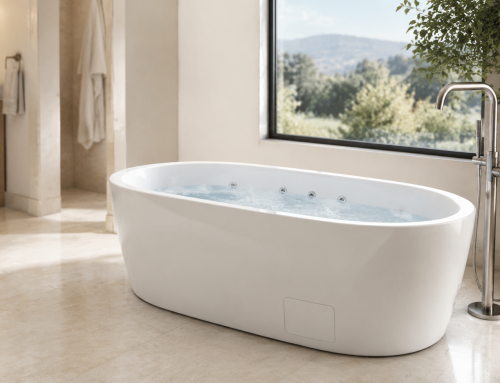
These are the centerpiece of the modern, luxurious bathroom. They offer an aesthetic “wow” factor without sacrificing therapeutic performance.
-
Why Choose One: If you have the floor space and want to create a spa-like retreat that adds significant property value, a freestanding model is the ultimate choice.
Alcove Jetted Bathtubs
Designed to fit into a three-wall recess, these are the most common and space-efficient choice for most American homes.
-
Why Choose One: If you are renovating a standard bathroom and want to upgrade from a basic tub to a therapeutic wellness center without changing the footprint of your room, an alcove jetted tub is the perfect solution.
Drop-In Jetted Bathtubs
These tubs are designed to be “dropped” into a custom-built deck or surround.
-
Why Choose One: If you want a custom look that integrates seamlessly with your bathroom design, drop-in tubs offer the most flexibility in terms of style and surround materials.
Walk-In Hydrotherapy Bathtubs
Safety and wellness should never be mutually exclusive. Walk-in tubs feature low thresholds and integrated seating to ensure you can get the benefits of hydrotherapy without the physical struggle of climbing over a tub wall.
-
Why Choose One: Ideal for seniors or individuals with mobility challenges.
Not sure which style fits your space? [Contact our team of experts for a free consultation at (888) 409-8860.]
Comprehensive FAQ Cluster
Hydrotherapy
-
What is hydrotherapy? It is the therapeutic use of water to treat conditions and promote health.
-
Does hydrotherapy really work? Yes, it is backed by decades of clinical research in pain and recovery.
-
Is hydrotherapy scientifically proven? Yes, databases like PubMed confirm its efficacy for pain and cardiovascular health.
-
Who should avoid hydrotherapy? Those with severe cardiac issues or open wounds should consult a doctor first.
-
How often should you do hydrotherapy? Daily or 3-4 times a week is often cited as optimal.
-
Can hydrotherapy reduce inflammation? Yes, it helps manage the body’s inflammatory response.
-
Is hydrotherapy safe every day? For most healthy individuals, yes.
-
What temperature is best for hydrotherapy? 92°F to 102°F is standard for muscle relaxation.
-
Can hydrotherapy improve circulation? Yes, through vasodilation.
-
Does hydrotherapy help arthritis? It is one of the most recommended non-drug treatments.
-
Can hydrotherapy help with weight loss? It supports metabolic health, but shouldn’t be the only method.
-
Does water temperature matter? Yes, temperature dictates recovery vs. stimulation.
-
Is it good for mental health? Yes, it lowers cortisol.
-
Can I do it with sensitive skin? Yes, with proper water care.
-
Is it effective for athletic recovery? It is a staple in professional sports.
Product FAQs
-
Are hydro massage bathtubs worth it? Yes, for health and home value benefits.
-
What is the best hydrotherapy bathtub? One that fits your bathroom and medical needs.
-
How much does a jetted bathtub cost? Costs vary; contact us for a quote.
-
Do hydro massage tubs increase home value? Yes, they are highly sought-after.
-
What is the difference between a whirlpool tub and a hydro massage tub? They are essentially the same.
-
What is the difference between air and hydro? Air provides bubbles; hydro provides water-pressure massage.
-
Do these tubs use a lot of electricity? Modern pumps are highly efficient.
-
How long do hydro massage tubs last? With good care, decades.
-
Can I install one in an existing bathroom? Yes, usually with standard plumbing.
-
What size tub should I buy? Contact us for a measurement guide.
-
Which tub is best for seniors? A Walk-In Hydrotherapy tub.
-
Do they require special maintenance? Basic cleaning of jets is all that is needed.
-
Can I use aromatherapy in them? Yes, most of our models support aromatherapy.
-
Are they noisy? Our models use the quietest pumps in the industry.
-
Is the installation difficult? Standard for a professional plumber.
-
Are they safe for families? Yes, they meet safety standards.
-
Can I customize the jet placement? Yes, that is a core feature.
-
What is an EZ Level base? A feature that makes installation stable.
-
Does the pump come with a warranty? Yes, limited lifetime warranty.
-
Why buy from Hydro Massage Products? Because we are the manufacturer, not a middleman.
-
Do you ship nationwide? Contact us for shipping details.
-
Can I get a custom color? Yes, we offer options.
-
Are these “Made in USA”? Yes, proudly.
-
How do I get a quote? Fill out our contact form.
-
Where do I start? Contact us for a consultation today.
Conclusion: Take the Next Step
You’ve read the research, and you understand the benefits. Hydrotherapy is not just a luxury—it is a proven pathway to better physical recovery and mental wellness.
From the Hydro Massage family to yours, we have been crafting whirlpool baths since 1980. We aren’t just selling bathtubs; we are helping you build a personal sanctuary.
-
Proudly Made in the USA: We believe in local craftsmanship and exacting standards.
-
The Best Technology: We use the strongest, quietest pumps in the industry.
-
Customization: From Chromatherapy to custom jet placement, we build the tub you need.
-
The Promise: Your health and safety come first. Each tub goes through a 30-point quality control checklist and is backed by a limited lifetime warranty.
Your wellness is waiting. Don’t settle for a regular bathtub when you can have a personal recovery clinic in your own home.
Disclaimer: This information is for educational purposes and does not replace the advice of a doctor. Always consult with your healthcare provider before beginning any new health regimen, especially if you have chronic medical conditions.